Lebanon’s digital sector: insights from the World Bank digital skills workshop
World Bank digital skills study workshop
|
Blog
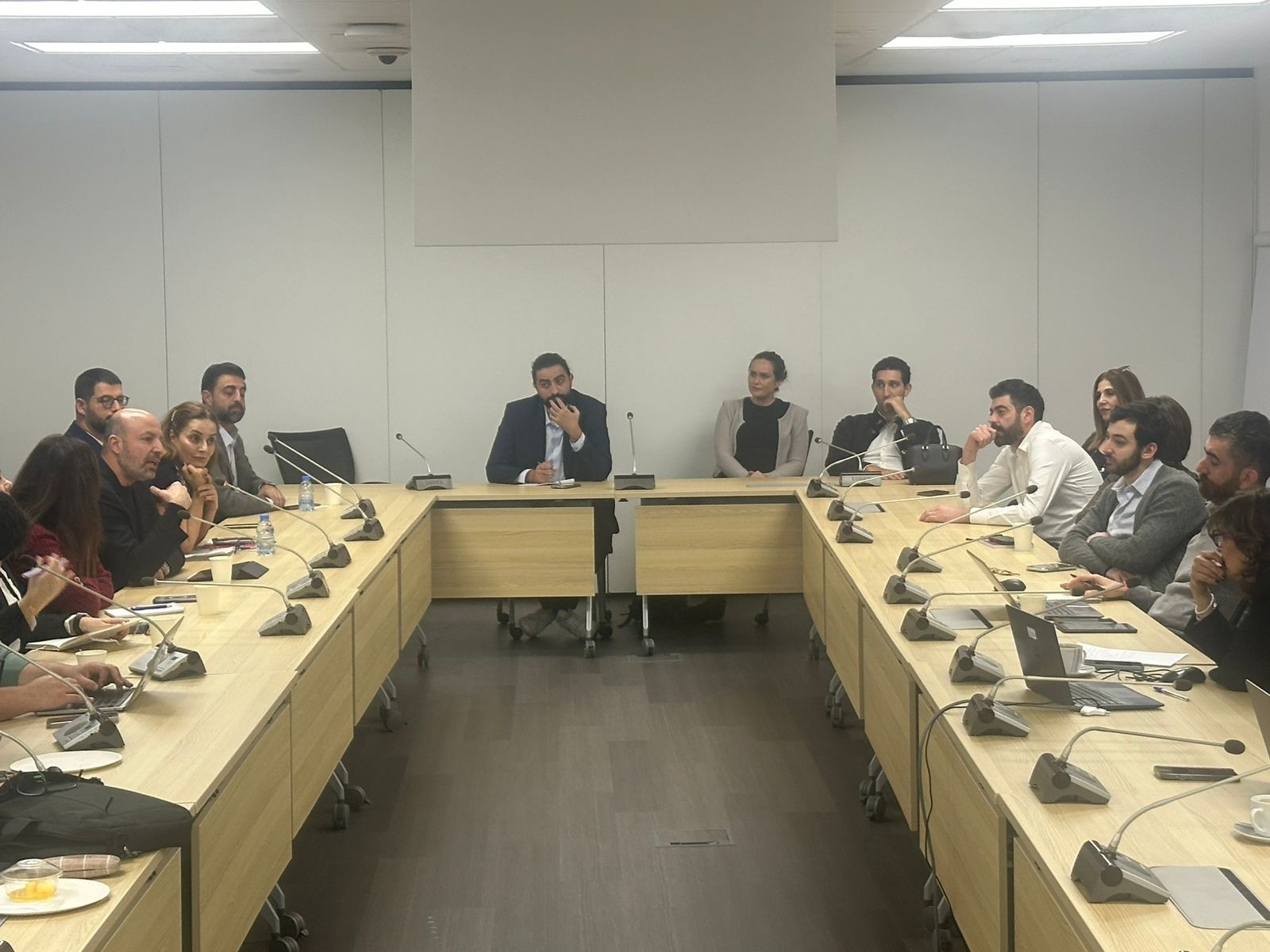
World Bank Digital Skills Study Workshop convened leading public and private sector stakeholders to address one of the most pressing challenges facing our region: building a competitive, future-ready digital workforce.
The global context underscores the urgency of this effort:
By 2030, 1.2 billion young people are expected to seek employment, while only 400 million jobs are projected to be created.
An estimated 6 million cybersecurity roles remain unfilled globally due to skills shortages.
Demand for AI-related and advanced digital skills continues to accelerate.
Lebanon continues to face significant digital talent outflow.
Lebanon does not lack engineering talent. What it lacks is ecosystem alignment and a balanced mix of technical, product, growth, and leadership capabilities.
Several structural gaps stood out.
Industrial infrastructure for tech
If Lebanon wants to compete regionally, it cannot rely on dispersed startups operating in isolation. The idea of investing in additional technology-focused industrial zones throughout the country was raised to:
Anchor companies locally
Provide shared infrastructure and regulatory clarity
Reduce operational friction
Create density between founders, engineers, and investors
Digital economies scale through proximity and network effects. Lebanon has talent density, but not yet infrastructure density.
AI usage vs. AI literacy
Universities are introducing AI tools. But students are rarely trained to critically use AI. There is a difference between:
Using generative tools
Understanding model limitations
Evaluating bias and output reliability
Integrating AI into workflows responsibly
Without critical AI literacy, we risk producing surface-level users rather than digital leaders. This also requires closer public–private coordination to modernize curricula, institutionalize structured internships, and accelerate modular, certification-based pathways aligned with market demand.
The missing roles: product, cybersecurity & growth
Another gap repeatedly flagged: Lebanon produces engineers, but far fewer:
Product owners
Digital product managers
Growth engineers
Digital marketing strategists
Cybersecurity experts
Strong tech ecosystems require translation roles - people who connect engineering, security, users, markets, and revenue models. Without them, products are built but not scaled.
Leadership development frameworks are equally important. Technical excellence alone does not create companies that endure.
The entrepreneurship paradox
Lebanese entrepreneurs thrive globally. From the Gulf to Europe to North America, Lebanese founders have built substantial companies. Yet very few launch and scale from Lebanon itself. This is not a talent issue. Entrepreneurs need:
Regulatory predictability
Access to capital
Infrastructure reliability
Institutional backing
Market access pathways
When those conditions are uncertain, founders optimize for mobility.
Meaningful livelihoods for those who stay
Not everyone will leave. Many choose to build careers here. If Lebanon is serious about digital sector development, the goal cannot simply be training. It must be livelihood creation.
That means:
Supporting local companies to scale
Connecting talent to regional markets
Strengthening public sector digital demand
Creating policy stability that allows long-term planning
Lebanon’s digital future will depend less on talent production and more on ecosystem design and support.
The real question is not whether Lebanon has talent. It is whether we can create enough stability, coordination, and incentive to make building and scaling from here a rational choice.

About Siren Analytics
Siren Analytics is a technology and digital transformation company specializing in AI-enabled decision intelligence for complex institutions. With experience across the Middle East, we design intelligence systems grounded in strategy, institutional understanding, and long-term impact.